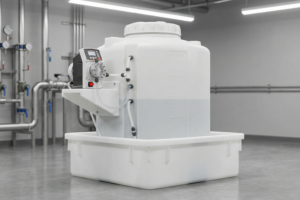
Chemical feed stations — also called chemical dosing systems or chemical injection systems — deliver precise amounts of chemicals into water, wastewater, and industrial process lines. Our NSF-approved polyethylene chemical feed stations with built-in secondary containment arrive at your facility compact, fully assembled, and ready to use. No more handling costs, drum disposal headaches, or…

Mass Tank Earns Avetta Diversity Leader and Safety Star Certifications for 2025
Mass Tank is proud to announce that we have been recognized by Avetta with two distinguished certifications: the 2025 Diversity Leader award and the 2025 Safety Star designation. These honors reflect our longstanding commitment to safe, inclusive, and compliant operations — values that have been central to how we do business for over 100 years. What Are the Avetta…
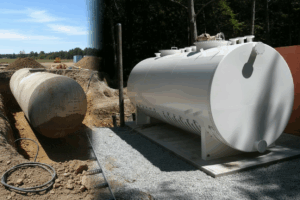
Underground vs. Aboveground Storage Tanks: Expert Guide for Choosing the Right Solution
When it comes to storing fuels, chemicals, water, and other industrial liquids, the first major decision facility managers face is location: Aboveground Storage Tanks (ASTs) or Underground Storage Tanks (USTs). With installation costs ranging from tens of thousands to hundreds of thousands of dollars, making the wrong choice can have lasting financial and operational consequences….
Complete Guide to Potable Water Tank Standards: AWWA, NSF & Compliance Requirements
Ensuring the safe storage of drinking water requires strict adherence to established potable water tank standards. Whether you’re a municipal water operator, engineering consultant, or facility manager, understanding these complex regulations is crucial for protecting public health and maintaining regulatory compliance. This comprehensive guide covers all major potable water tank standards in the United States,…

Proper Tank Installation: Best Practices for Safety and Longevity of Polyethylene Tanks
Chemical storage tanks are essential to countless industrial processes—but without proper installation, they can quickly become liabilities. Leaks, equipment failure, or regulatory violations are just a few of the consequences of cutting corners. Whether you’re storing acids, caustics, or water treatment chemicals, the success of your system depends on detailed planning, compliant setup, and smart…
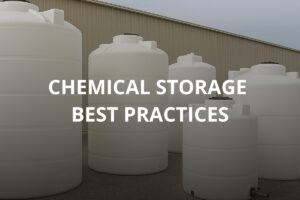
Chemical Storage: Best Practices for Safe and Compliant Tank Systems
Storing chemicals and hazardous materials isn’t just about buying a tank and filling it up. It requires a detailed understanding of the materials, strict regulatory compliance, and choosing the right equipment for the job. This guide outlines the best practices for chemical storage, including how to select the right tank, navigate regulations, and maximize safety…
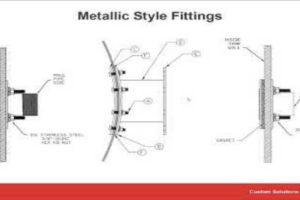
Chemical Tank Applications: How to Specify the Right Ancillary Equipment
Chemical tank applications are about more than just choosing the right tank. For safe, efficient, and compliant storage, it’s critical to specify the proper ancillary equipment—the fittings, vents, monitors, heaters, and more that keep operations running smoothly. In this guide, we’ll break down what to include and provide real-world examples to help you design a…
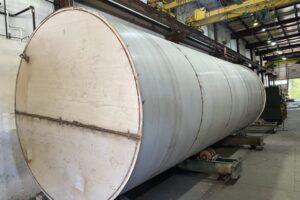
Steel Tanks vs. Plastic Tanks: The Complete Guide
The Easiest Way to Evaluate If You Need a Steel or Plastic Tank When it comes to selecting the right storage solution for your industrial, agricultural, or residential needs, the decision between a steel tank and a plastic tank can be daunting. However, understanding the key differences and evaluating your specific requirements can simplify the…
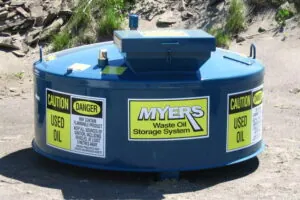
Why Myers Waste Oil Tanks are the Best on The Market
If you store, handle, or dispose of waste oil, your storage system is more than just a tank—it’s a vital part of your operation’s safety, compliance, and efficiency. And that’s exactly why businesses across the country choose Myers waste oil tanks. Built for rugged use, designed for longevity, and supported by decades of engineering expertise,…